
Call Us



Resources
Learning Topics
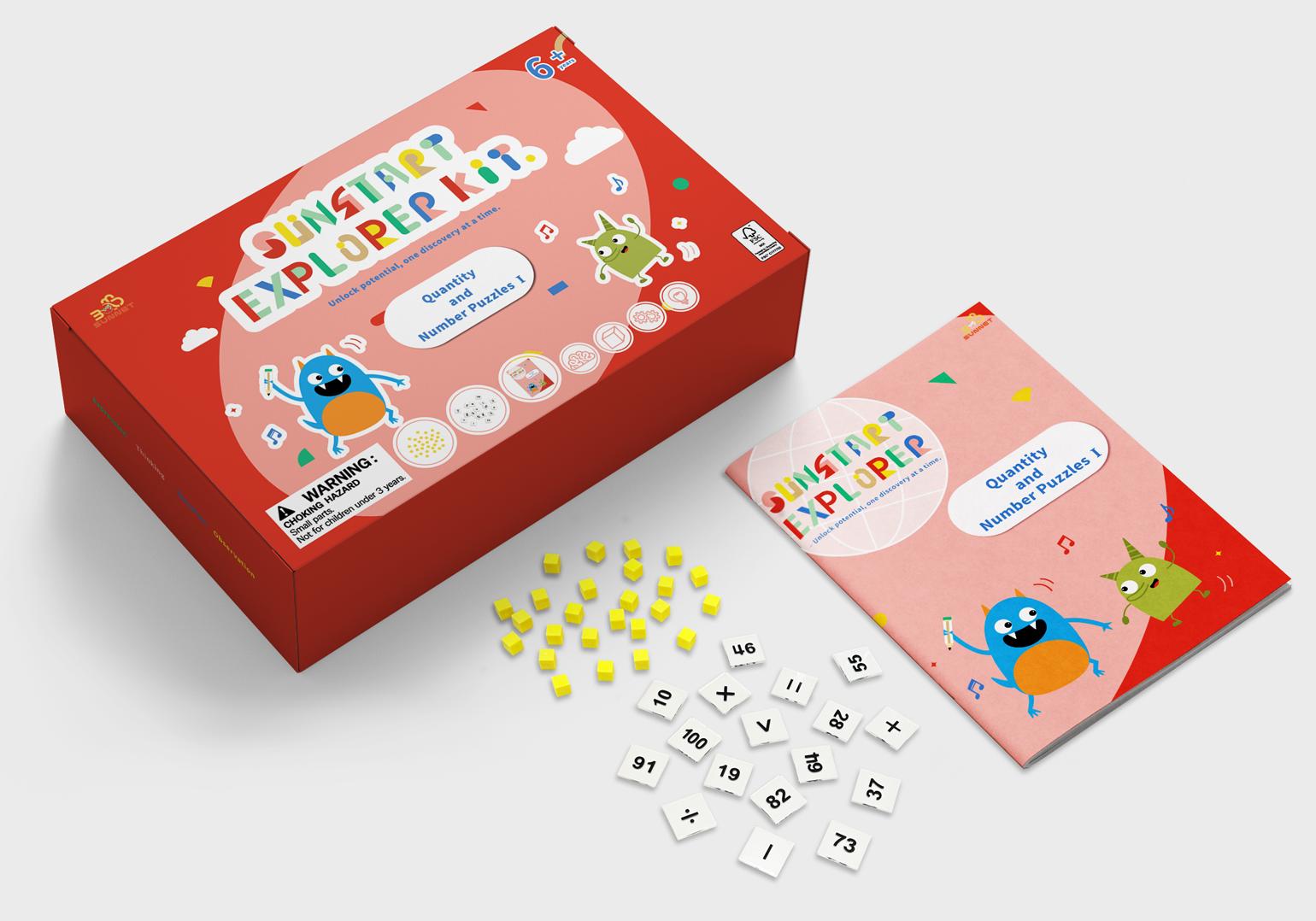
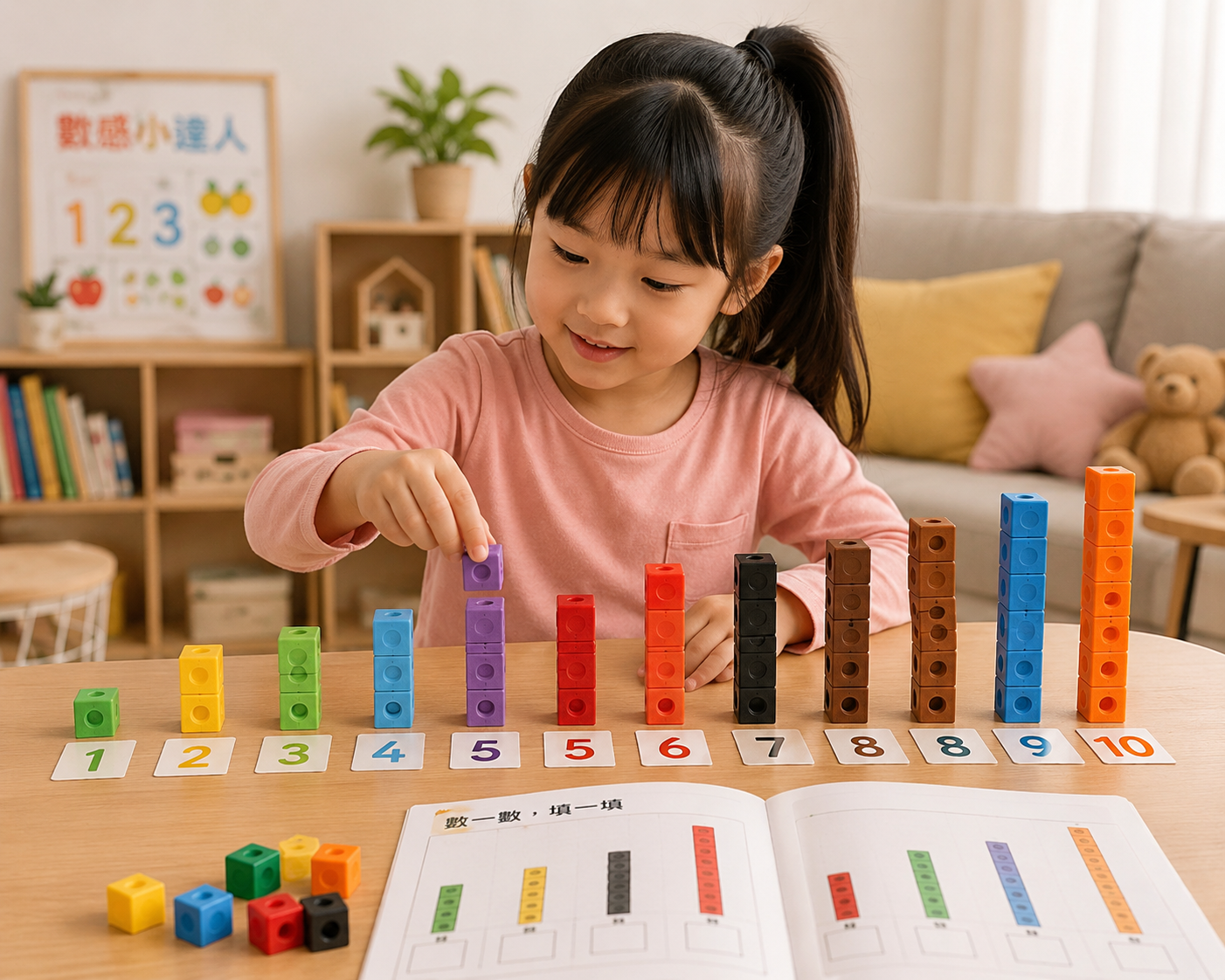
Number Sense: The First Step Toward Mathematical Thinking | Early Math Skills for Kids
When people think about math, they often picture numbers, equations, and calculations. Before children learn to add, subtract, or multiply, they first need a strong foundation: number sense.
Learning Topics
What Is Number Sense?
Number sense is the ability to understand, interpret, and use numbers meaningfully in everyday life. Much like having a good ear for music, it enables children to think flexibly about numbers, solve real-world problems, make informed decisions, and adapt their thinking to different situations. Simply put, it bridges the gap between abstract math and practical problem-solving.
Learning Topics
Rainy Day Science: Discover the Secrets of Raindrops
Does rainy summer weather ever leave you and your child feeling stuck at home?
Instead of letting the rain ruin your plans, why not use it as an opportunity to explore the science and mathematics happening right outside your window?
With a few simple household objects, a rainy day can become a fun experiment in sound, measurement, data, and scientific thinking.
Learning Topics
Beyond Test Scores: Why We Need to Pay More Attention to Children’s Reading Comprehension
In the years following the COVID-19 pandemic, children's academic performance has gradually begun to recover. But a large-scale analysis by NWEA offers an important reminder: not every area of learning is recovering at the same pace.
Learning Topics
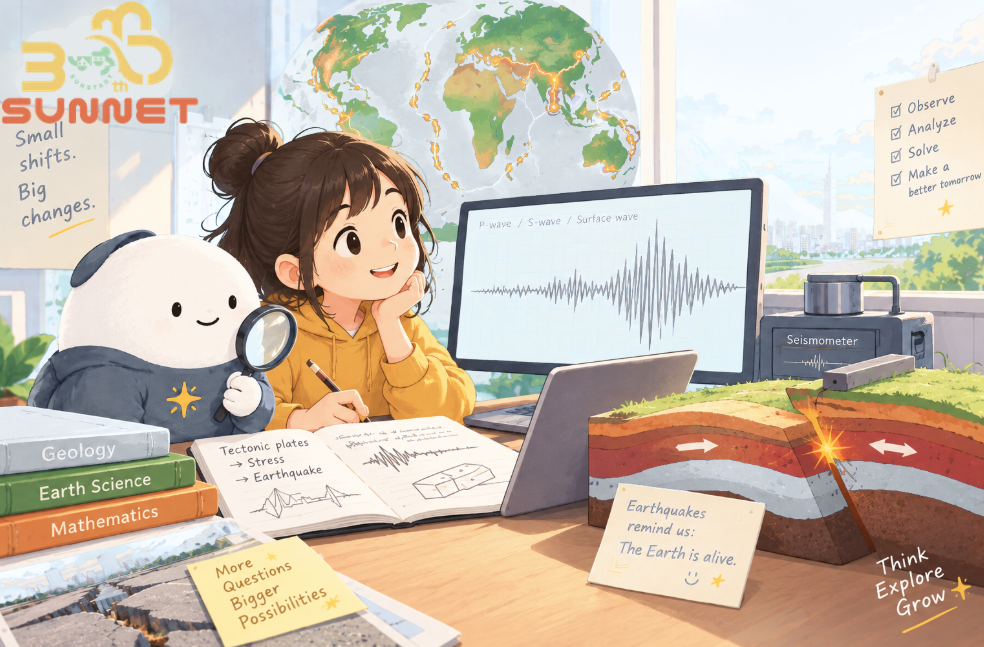
From Earthquakes to Scientific Inquiry - When Earth Science Meets AI Technology
Did you know that Taiwan’s geological databases contain a significant knowledge gap that scientists are working hard to fill?
When we talk about earthquakes in Taiwan, many people immediately think of the Chelungpu Fault, which was responsible for the devastating 1999 the 921 Earthquake. But did you know that offshore faults beneath the waters around eastern and northern Taiwan are now among the most important frontiers of scientific research?
Let’s take a look at how geologists are combining the latest AI technology with scientific observation to uncover the secrets of Taiwan’s faults!
Learning Topics
Growing Language Skills from Everyday Life
Following our previous discussion, today we’re exploring how parents can support children’s language development through everyday life. Meaningful conversations, songs, reading, and opportunities to communicate can all help children build vocabulary, understand language, and develop confidence in expressing themselves.